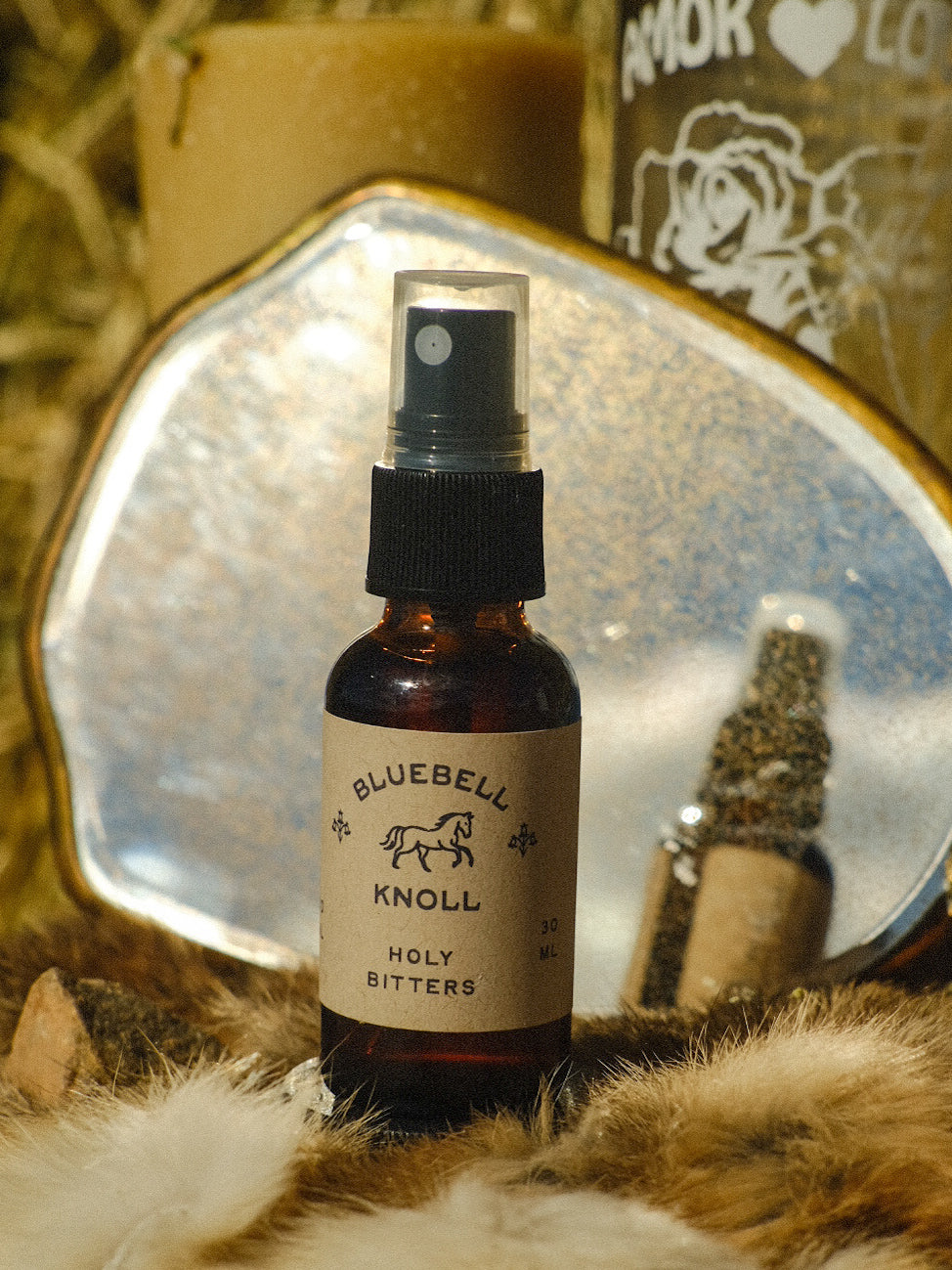
Healing Your Gut and Nervous System: The Role of Digestive Bitters in Gut-Brain Health
How a simple herbal remedy can support digestion, balance stress, and improve overall wellness.
By Alexis Mar 9, 2025

Understanding the Gut-Brain Connection
Did you know your gut and brain are constantly in conversation? This connection, known as the gut-brain axis, influences digestion, mood, and even immune function. If you've ever felt "butterflies" before a big event or lost your appetite when stressed, you've experienced this firsthand.
At the core of this communication network is the vagus nerve, a key player in the autonomic nervous system that helps regulate digestion, stress responses, and inflammation. When balanced, this system keeps digestion smooth and stress levels manageable. But when it's out of sync—often due to chronic stress, poor diet, and inflammation—it can lead to digestive issues, anxiety, and other health problems.
So how do we restore balance? Enter digestive bitters—a centuries-old remedy that supports both gut function and nervous system regulation.
How Stress Impacts Digestion and Gut Health
Chronic stress is one of the biggest disruptors of gut health. The autonomic nervous system (ANS), which controls digestion, has two primary branches:
|
|
|
|
|
The Sympathetic Nervous System (Fight or Flight) |
The Parasympathetic Nervous System (Rest and Digest): |
|
|
In response to stress, digestion slows down or stops altogether as the body redirects energy to handle perceived threats. |
When activated, this system allows digestion to function properly, increasing the release of digestive enzymes, stomach acid, and bile. |


When stress is chronic, the body stays stuck in fight-or-flight mode, leading to digestive issues such as bloating, IBS, leaky gut, and even mental health concerns like anxiety and depression.
You can activate your rest-and-digest state naturally with simple lifestyle shifts—including the use of digestive bitters

What Are Digestive Bitters?
Digestive bitters are plant-based compounds that activate bitter taste receptors, found not only on the tongue but throughout the gut, brain, and even the lungs. These bitter compounds stimulate digestion and support nervous system balance in several key ways:
✔️ Enhancing Vagus Nerve Activity: Bitters stimulate receptors that send signals through the vagus nerve, helping shift the body into a parasympathetic (relaxed) state.
✔️ Boosting Digestive Secretions: They encourage the production of stomach acid, bile, and pancreatic enzymes—helping break down food and improve nutrient absorption.
✔️ Supporting Gut Barrier Function: By improving gut motility and microbiome balance, bitters may reduce leaky gut and inflammation.
👉 This means that by adding digestive bitters to your routine, you’re not just improving digestion—you’re also helping regulate your nervous system for better stress resilience.

How Chronic Stress Can Lead to Leaky Gut and Inflammation
When the gut-brain axis is disrupted, intestinal permeability increases—a condition commonly known as leaky gut. This means that undigested food particles, toxins, and bacteria can pass through the gut lining into the bloodstream, triggering inflammation, immune dysfunction, and even mood imbalances.
How Stress Contributes to Leaky Gut:
🔹 Increases cortisol (stress hormone), which weakens gut lining.
🔹 Slows down digestion, leading to bloating, constipation, or food sensitivities.
🔹 Alters gut microbiome balance, reducing beneficial bacteria that keep digestion smooth.
The combination of digestive bitters, nervous system regulation, and stress management can help reverse this cycle, supporting both gut integrity and overall well-being.
Simple Ways to Heal the Gut and Regulate the Nervous System
Ready to bring balance back to your gut and nervous system? Here are some practical, science-backed strategies:
1️⃣ Add Digestive Bitters Before Meals
✔️ Stimulates digestive juices, improving nutrient absorption.
✔️ Supports vagus nerve activation for better gut-brain communication.
✔️ Helps prevent bloating, acid reflux, and sluggish digestion.
👉 Try taking a few drops of bitters 10-15 minutes before meals to prime your digestion.
2️⃣ Engage in Vagus Nerve Stimulation
✔️ Helps shift the body into a parasympathetic state (rest-and-digest).
✔️ Reduces gut inflammation and supports microbiome balance.
✔️ Improves overall mood and stress resilience.
✅ Easy Ways to Activate the Vagus Nerve:
Deep breathing exercises (inhale 4s, hold 4s, exhale 6s).
Humming, singing, or gargling water.
Cold exposure (splashing cold water on your face).
3️⃣ Eat Gut-Friendly Foods
✔️ Support gut lining, digestion, and microbiome balance.
✅ Best Foods for Gut Health:
Probiotic-rich foods (yogurt, sauerkraut, kimchi).
Fiber-rich foods (vegetables, legumes, whole grains).
Polyphenol-rich foods (berries, green tea, dark chocolate).
4️⃣ Reduce Stress and Prioritize Rest
✔️ Chronic stress worsens gut health—prioritizing relaxation and sleep is key.
✅ Best Practices for Stress Management:
Meditation or breathwork.
Gentle movement (yoga, walking in nature).
Setting boundaries to reduce mental overload.

Photo by Scott Kessler on Unsplash
The Takeaway: Balance Your Gut and Mind for Better Health
The gut and brain are deeply connected, and supporting both is essential for long-term wellness. By incorporating digestive bitters, managing stress, and stimulating the vagus nerve, you can create a holistic healing approach that works naturally with your body.
Want to learn more about gut healing and nervous system support? Drop your questions in the comments below! And if you’re ready to try digestive bitters, check out my top recommendations [insert link here]!

Start small, one step at a time. Daily habits add up. Your gut and mind will thank you